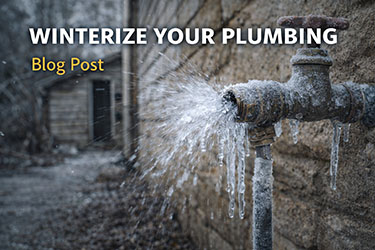
Winterize Your Plumbing in the Texas Hill Country
“Texas Hill Country winters can be unpredictable- prepare your plumbing for the worst-case scenario, you could save yourself thousands of dollars.” - Brian Devaney, Resurrection Plumbing

Winterizing Your Plumbing in the Texas Hill Country: How to Prevent Frozen & Burst Pipes
Freezing temperatures in the Texas Hill Country may not last long, but when they arrive, they can cause serious plumbing damage. Unlike northern states, many homes in our area were not designed for prolonged cold weather, making pipes more vulnerable during sudden freezes.
Whether you’re a homeowner in Kerrville, Ingram, Hunt, Bandera, Medina, Fredericksburg, or the surrounding Hill Country, this guide will help you protect your plumbing, avoid costly damage, and know what to do if something goes wrong.
Why Freezing Pipes Are a Serious Problem in the Hill Country
When water freezes, it expands. If that expansion happens inside a pipe, pressure builds rapidly — often causing the pipe to crack or burst. The real damage usually occurs after the pipe thaws, when water begins pouring into walls, ceilings, floors, or foundations.
Common Hill Country risk factors include:
Pipes in attics, garages, and exterior walls
Older homes with minimal insulation
Outdoor hose bibs and irrigation lines
Sudden temperature drops with wind
Even a single burst pipe can cause thousands of dollars in water damage.
What Temperatures Cause Pipes to Freeze in Texas?
In the Hill Country, pipe freezes most often occur when:
Temperatures fall below 32°F for an extended period of time
Temperatures drop below 28°F overnight (hard freeze)
Cold weather lasts 12–24+ hours
Strong winds accelerate heat loss
Extended freezes like those experienced in recent Texas winters dramatically increase risk — even in homes that have never had issues before.
Which Plumbing Pipes Are Most at Risk?
Copper Pipes
Common in older homes
More rigid and prone to bursting when frozen
Can split suddenly and catastrophically
PEX Pipes
More flexible than copper
Better able to expand without bursting
Still vulnerable at fittings and connections
PVC / CPVC
Brittle in cold temperatures
Often cracks rather than expands
Bottom line:
PEX generally performs better during freezes, but no pipe is freeze-proof. Proper insulation and preparation are still essential.
How to Winterize Your Plumbing (Step-by-Step)
1. Protect Outdoor Plumbing
Disconnect and store garden hoses
Cover outdoor faucets with insulated hose bib covers
Shut off and drain irrigation systems if possible
2. Insulate Indoor Pipes
Focus on pipes located in:
Exterior walls
Garages
Attics
Crawlspaces
Use foam pipe insulation or wrap pipes with heat tape where appropriate.
3. Don’t Forget Attics & Utility Areas
Many Hill Country homes have plumbing lines routed through attics or utility closets.
Ensure attic insulation is intact
Seal air leaks around vents and access doors
Keep garage doors closed during freezes
4. Water Heater & Utility Room Protection
Keep utility room doors closed
Avoid turning off your water heater during freezes
Ensure exposed lines near the heater are insulated
Should You Let Faucets Drip During a Freeze?
Yes — in certain situations.
Letting faucets drip:
Relieves pressure inside pipes
Keeps water moving
Reduces freezing risk
Focus on:
Faucets served by exterior walls
The farthest fixture from your main water shutoff
A slow, steady drip is sufficient.
What to Do If a Pipe Freezes (Before It Bursts)
Signs of a frozen pipe:
Little or no water flow
Frost on exposed pipes
Unusual smells from drains
What to do:
Keep the faucet open
Gently warm the pipe using:
A hair dryer
Warm towels
Space heater (safely)
Never use open flames
If you’re unsure where the freeze is, call a plumber.
What to Do If a Pipe Bursts
Shut off the main water supply immediately
Turn off electricity near affected areas if water is present
Open faucets to drain remaining water
Contain water with towels or buckets
Call a licensed plumber immediately
The faster the response, the less damage occurs.
Does Homeowners Insurance Cover Frozen or Burst Pipes?
Most homeowner's insurance policies do cover sudden pipe bursts caused by freezing, but coverage depends on:
Whether reasonable precautions were taken
The cause of the freeze
The extent of damage
Water damage repair is often covered — but pipe repair itself may not be.
It’s wise to:
Review your policy before winter
Confirm coverage for water damage
Understand deductible and exclusions
Understand the difference between sudden, accidental discharge of water from a broken pipe, and slower, gradual leaking or seeping that may occur over time (usually weeks or months) or be concealed from view (like a small leak from a copper pipe behind a wall or a refrigerator supply line), as these types of leaks are often covered differently (or excluded altogether) on a home policy. If excluded, endorsements may be available to enhance coverage for these types of leaks.
When to Call a Professional Plumber
You should call a plumber if:
Pipes are frozen and won’t thaw
You suspect a slab or hidden leak
A pipe has burst
You want to winterize your home properly
You’re considering upgrading vulnerable plumbing
How Plumbing Upgrades Can Reduce Freeze Risk Long-Term
For homes with repeated freeze issues, long-term solutions include:
Replacing old copper lines with PEX
Rerouting pipes away from exterior walls
Adding shutoff valves in strategic locations
Improving insulation in attics and crawlspaces
These upgrades can significantly reduce future risk.
Final Thoughts: Preparation Matters
Freezing temperatures may be rare in the Texas Hill Country — but when they happen, the damage can be severe. Taking proactive steps now can save you stress, money, and major repairs later.
If you need help winterizing your plumbing, repairing freeze damage, or upgrading your system, Resurrection Plumbing is here to help.
